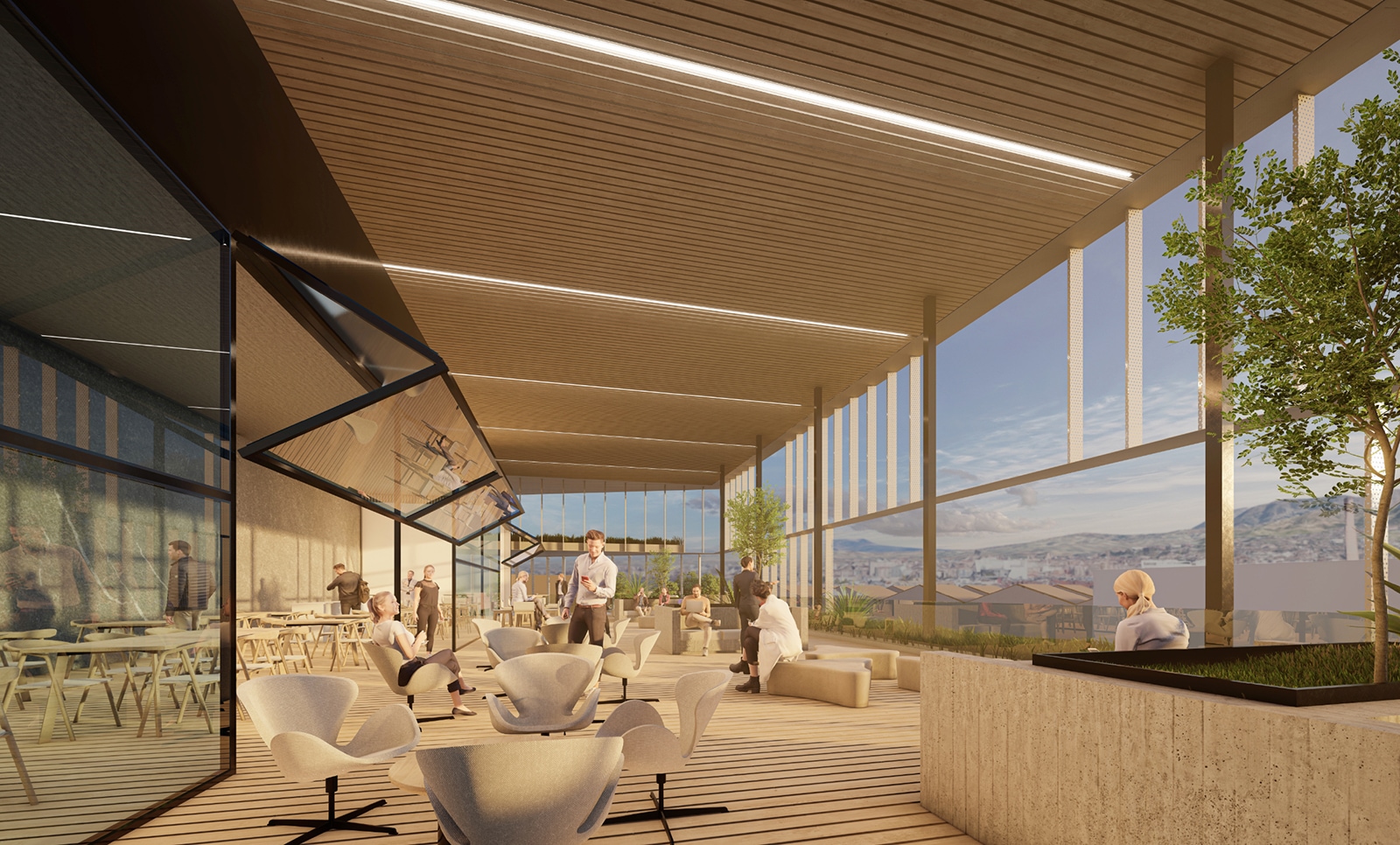



🌇 1. Orientation and design: light starts in the plane
Architecture should be the first step. Designing spaces that allow light to enter from multiple angles-especially from the south in cold climates and from the north in warm climates-can make all the difference. Offices located near well-oriented windows not only have better lighting, but also less dependence on electricity.
Tip: Prioritize meeting rooms and shared work areas in areas with more natural light.
🎨 2. Materials, textures and colors that reflect clarity
It’s not all about windows: internal surfaces play a crucial role. Light colors on walls, reflective floors and high ceilings amplify sunlight, reducing the need for artificial sources. In addition, heat-treated glazing allows light to pass through without compromising thermal comfort.
🤖 3. Technology for efficiency
Light sensors and automatic control systems for blinds or artificial lighting are essential allies. These devices make it possible to regulate the intensity of artificial light depending on the amount of sunlight present, which translates into a reduction of up to 40% in electricity consumption.
Helpful Hint: Installing presence sensors also helps to avoid unnecessary spending in unoccupied spaces.
💼 4. Health and productivity: the invisible power of light
Natural light not only reduces costs: it improves mental health, regulates sleep, reduces eyestrain and increases concentration. A worker exposed to natural light during the day has a higher energy level and a better mood, which translates into up to 15% higher productivity, according to studies by the World Green Building Council.
🏆 5. Green certifications that enhance the value of your building
Incorporating daylighting strategies can help you achieve certifications such as LEED, BREEAM or WELL, recognitions that not only improve corporate reputation, but also increase the real estate value of the building.
✅ Conclusion: Natural light, a smart investment.
Harnessing sunlight in office buildings is more than a trend: it is a comprehensive solution that combines energy savings, improved well-being and a commitment to sustainability. Companies that implement it not only optimize resources, but also send a clear message: they are prepared for the future.